As project managers, we’re often reminded of the importance of being team players. It’s a staple in job interviews and a key criterion in job descriptions. But how does this ideal hold up in the real world of project management?
The answer varies across cultures. In some, teamwork is genuinely valued, while in others, it might be more of a façade.
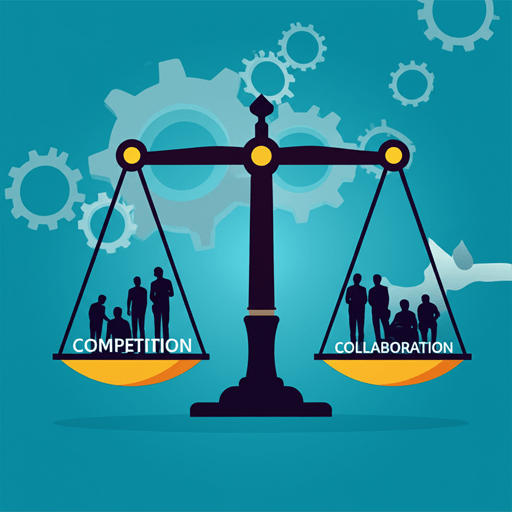
The cultural stance on teamwork often hinges on how goals and results are perceived. We all have a competitive side — evident in the popularity of sports, lotteries, and games. In certain cultures, this competitive nature dominates interactions. Negotiations often have clear winners and losers, and the concept of a win-win situation can be elusive. Rewards tend to be individual rather than team-based, and blame is often directed at individuals.
This competitive approach can have downsides: feelings of failure, loss of self-confidence for the “losers,” and inflated egos for the “winners.” It can also stifle productivity and creativity within teams. However, competition can push individuals to achieve more than they thought possible.
Conversely, some cultures prioritise collaboration. Here, people work together to achieve goals, and rewards are shared at the team level. No individual is singled out for praise or blame. Collaboration can boost productivity and innovation and lead to more successful negotiations. These cultures focus on group well-being, harmony, and nurturing everyone, not just the “winners.”
While collaboration sounds positive, it has its challenges. It can increase social pressure and lead to burnout if not managed carefully. Group decision-making often means more meetings and communication, which can be time-consuming.
Neither approach is inherently better. Each has its advantages and drawbacks. As project managers, when you find yourself in a team with different cultural norms, adaptation is key. If you’re competitive, you might need to adjust to a lack of individual recognition. If you’re collaborative, you may need to embrace personal recognition in a competitive environment.
Adapting to a new culture often involves reassessing your values and assumptions. It’s a challenging process, but essential for success in diverse team settings. Understanding these dynamics can help project managers build more effective and harmonious teams, ultimately leading to successful project delivery.
Organisation is not just a skill—it’s a necessity in project management. With countless tasks to juggle and deadlines to meet, the ability to maintain order amidst chaos is what sets successful project managers apart. Organisation is the backbone of efficiency, and its impact reverberates throughout the entire project lifecycle.
The Foundation of Organisation
At the heart of every successful project lies a well-structured plan. Organisation begins with a clear understanding of the project’s objectives, scope, and deliverables. This foundational knowledge allows project managers to break down the project into manageable tasks, each with its own timeline and resources. By creating a detailed project plan, managers can ensure that every team member knows their role and responsibilities, reducing confusion and increasing accountability.
Tools and Techniques for Effective Organisation
Gone are the days of relying on long to-do lists scribbled on loose pieces of paper. In today’s digital age, project managers have access to a plethora of tools and techniques designed to enhance organisation. Project management software, such as Trello, Asana, or Microsoft Project, provides a centralised platform for tracking tasks, deadlines, and progress. These tools offer visual representations of the project timeline, making it easier to identify potential bottlenecks and adjust plans accordingly.
Additionally, techniques such as the Kanban method or the Agile framework can be employed to streamline workflows and improve team collaboration. By adopting these methodologies, project managers can create a dynamic environment where tasks are prioritised, and resources are allocated efficiently.
The Ripple Effect of Organisation
Organisation is not a solitary endeavour; it has a ripple effect that influences the entire project team. When a project manager is organised, it sets a precedent for the rest of the team. Clear communication of tasks and expectations fosters a sense of purpose and direction among team members. They know what needs to be done, when it needs to be done, and how their contributions fit into the larger picture.
Moreover, an organised project manager is better equipped to handle unexpected changes. In the ever-evolving landscape of project management, adaptability is key. When plans need to be adjusted, an organised manager can quickly assess the situation, reallocate resources, and communicate changes effectively. This agility ensures that the project remains on track, even in the face of unforeseen challenges.
Organisation and Stakeholder Engagement
Effective organisation extends beyond the project team to include stakeholders. Stakeholders are integral to the success of any project, and keeping them informed and engaged is crucial. An organised project manager maintains regular communication with stakeholders, providing updates on progress, addressing concerns, and managing expectations. This proactive approach builds trust and confidence, ensuring that stakeholders remain supportive and invested in the project’s success.
The Role of Organisation in Risk Management
Risk management is an inherent part of project management, and organisation plays a pivotal role in mitigating risks. By maintaining a comprehensive risk register, project managers can identify potential risks early on and develop contingency plans. Organised documentation of risks, along with their likelihood and impact, allows managers to prioritise and address them systematically. This proactive approach minimises the chances of risks escalating into major issues, safeguarding the project’s success.
Organisation as a Catalyst for Innovation
While organisation is often associated with structure and order, it also serves as a catalyst for innovation. An organised project environment provides the stability and clarity needed for creative thinking to flourish. When team members are not bogged down by confusion or uncertainty, they have the mental space to explore new ideas and solutions. This culture of innovation can lead to breakthroughs that enhance the project’s outcomes and deliver added value to stakeholders.
Conclusion: Embracing Organisation for Project Success
Organisation is the linchpin that holds the various components of a project together. It is the driving force behind efficiency, adaptability, and innovation. By embracing organisation, project managers can create a structured yet flexible environment that empowers their teams to excel. The benefits of organisation extend beyond the project itself, fostering a culture of collaboration, trust, and continuous improvement.
As project managers, the responsibility to maintain organisation rests on our shoulders. It requires discipline, foresight, and a commitment to excellence. But the rewards are well worth the effort. An organised project is a successful project, and a successful project is a testament to the power of organisation. So, let’s embrace organisation as our guiding principle and pave the way for project success.
The role of a project manager is continuously evolving. Today, more than ever, project managers are expected to be strategic thinkers while maintaining a keen eye for detail. This dual focus is essential for ensuring that projects not only align with overarching business goals but also meet the day-to-day demands of execution.
The Importance of Strategic Thinking
Strategic thinking is a critical component of modern project management. It involves looking beyond the immediate tasks and considering the long-term implications and benefits of a project. For project managers, this means aligning project objectives with the broader goals of the organisation. By doing so, they can ensure that the project delivers maximum value and meets stakeholder expectations.
Strategic alignment is not just about setting goals; it’s about understanding the business landscape and anticipating future trends. A project manager with strong strategic thinking skills can identify opportunities for innovation and improvement, positioning the project for success. For example, in a technology-driven project, strategic thinking might involve considering how emerging technologies can be leveraged to enhance project outcomes.
The Risks of Overemphasizing Strategy
While strategic thinking is crucial, an overemphasis on the big picture can lead to neglect of the essential details. Projects can quickly go off track if the day-to-day tasks are not managed effectively. A project manager who focuses solely on strategy may overlook critical deadlines, resource allocation, and quality control measures.
Consider a scenario where a project manager is so focused on achieving a strategic milestone that they fail to address a minor technical issue. This oversight can escalate into a significant problem, causing delays and additional costs. Therefore, it’s vital for project managers to strike a balance between strategic vision and operational execution.
The Necessity of Attention to Detail
Attention to detail is the backbone of successful project management. It involves meticulous planning, monitoring and controlling of project activities. By paying close attention to details, project managers can ensure that every aspect of the project is executed to the highest standard.
Detailed planning helps in identifying potential risks and developing mitigation strategies. It also ensures that project deliverables meet quality standards and client expectations. For instance, in a construction project, attention to detail might involve thorough inspections and quality checks to prevent structural issues.
The Dangers of Micromanagement
An excessive focus on details can lead to micromanagement, which can be detrimental to team morale and productivity. Micromanagement stifles creativity and innovation, as team members feel constrained and undervalued. It can also lead to burnout and high turnover rates.
To avoid micromanagement, project managers should empower their teams by delegating tasks and responsibilities. Trusting team members to execute their roles allows for a more collaborative and innovative work environment. Regular check-ins and open communication can help maintain oversight without overstepping boundaries.
Striking the Right Balance
Achieving the right balance between strategic thinking and attention to detail requires a combination of skills and techniques. Project managers should prioritise clear communication and collaboration with their teams. By fostering an environment of trust and openness, they can ensure that both strategic goals and detailed tasks are addressed effectively.
Adaptability is another key factor in balancing these two aspects. Project managers must be flexible enough to adjust their approach based on the project’s needs and challenges. This might involve shifting focus from strategic planning to detailed execution as the project progresses.
Conclusion
The role of a project manager is multifaceted, requiring a delicate balance between strategic thinking and attention to detail. By mastering both aspects, project managers can drive projects to success, delivering value to their organisations and stakeholders. As the field of project management continues to evolve, the ability to navigate both the big picture and the details will remain a defining trait of successful project managers.
In this article, I am focusing on the second trait I see differentiating really great project managers. It is leadership abilities. Leadership is not a one-size-fits-all approach. The modern project environment demands a flexible leadership style that can adapt to the diverse needs of team members and the ever-changing dynamics of projects. Flexible leadership is about understanding that people have different expectations about how they should be treated and valued at work. It’s about recognising that the time has come to respect and value people as the most important aspect of any project.
Understanding Leadership Styles
Every project manager has a preferred leadership style, but great project managers know how to adapt their style to suit the situation. Whether it’s being directive in moments of chaos or adopting a more participative approach when the team is highly competent, the ability to switch between leadership styles is crucial. This flexibility ensures that the project manager can effectively lead diverse teams, each with varying levels of knowledge, experience, and motivation.
Empowering the Team
Flexible leadership is about empowering the team. It’s about recognising that the project is delivered by the team members, and without them, nothing will be accomplished. By empowering team members, project managers can foster a sense of ownership and accountability. This empowerment can be achieved by delegating responsibilities, encouraging autonomy, and providing opportunities for team members to contribute their ideas and expertise.
Building Trust and Respect
Trust and respect are the cornerstones of flexible leadership. When team members feel respected and valued, they are more likely to trust the project manager and the project itself. This trust creates a collaborative environment where team members are willing to share insights, provide feedback, and support the project’s objectives. By demonstrating respect for team members’ skills and contributions, project managers can build a cohesive and motivated team.
Adapting to Technological Advances
Technology is rapidly evolving, and project managers must be adept at integrating new tools and platforms into their workflows. Flexible leaders are open to exploring and adopting technological advancements that can enhance project efficiency and communication. By staying informed about the latest technological trends, project managers can leverage these tools to streamline processes and improve team collaboration.
Balancing Short-term and Long-term Goals
A flexible leader understands the importance of balancing short-term project milestones with long-term strategic objectives. This involves setting clear priorities and ensuring that immediate tasks align with the broader vision of the organisation. By maintaining this balance, project managers can ensure that the project remains on track while also contributing to the organisation’s overall success.
Conclusion
Flexible leadership is an essential trait for project managers aiming for success. By adapting their leadership style to suit the needs of the team and the project, empowering team members, and building trust and respect, project managers can navigate the complexities of project management with ease. This flexibility not only enhances the project’s chances of success but also transforms team members into active allies, paving the way for smoother project delivery and greater overall satisfaction.
If you are reading this piece, you are likely a project manager. And you are not alone.
There are many project managers around the world and the demand for project managers is still increasing.
But not all project managers are equal. Here is my take on what is needed to be a great project manager.
The negative side is that you may not have these competencies yet,especially if you are early in your career. The positive side is that all the points I will talk about can be learned.
There is always room for improvement!
In this article, I will give an overview of 5 traits essential to be successful as a project manager. I will then detail each of these traits in subsequent articles.
An adaptable communication
There is probably a word that sums up quite well the project environment: diversity. Of course, diversity of tasks and activities, and also diversity of people.
When you think of all the various stakeholder groups you need to manage in every project, it can be overwhelming. They go from your team members to end users, regulatory bodies and audit committees for instance. You will interact daily with some, a lot more sparingly with others. They need different information, conveyed in different ways.
So, when you can adapt your communication – both the content and the way you deliver this content – to your varied audiences, you convey more meaningful and impactful messages. People are clear about the project and their role in it. They will also be more engaged and ready to contribute.
A flexible leadership
You will have all read that now, it is not enough to be a manager; you need to be a leader. And I agree with that. People have very different expectations about how they ought to be treated and valued at work. The time has finally come when it is recognised that people must be respected and valued.
Just telling people what to do, when and how, will not cut it. Remember that you and your team members deliver the project. Without them, there is no project, nothing will be done. In short, people are the most important aspect of a project.
We all have a preferred leadership style. However, great project managers can use all the different leadership styles as and when necessary. The style needed will depend on the persons involved, their level of knowledge and experience, and the task at hand.
Big picture and details
The role of project manager has also evolved on that point, not just on leadership. Strategic thinking is high on the agenda these days. It means that now, any project manager worth its salt needs to keep an eye both on the big picture and on the details.
You need to think strategically, keep a focus on strategic alignment, business goals alignment, benefits and value the project will bring. But if you do only this part, you can lose track of the tasks to be done and end up with the project going nowhere.
On the other side, attention to details and ensuring the daily work is done is still a big part of any project manager’s role. However, if you concentrate only on this part, you end up just micromanaging the project and your team members will resent you for that.
Organisation
There is a lot to do in a project! So many things to juggle in parallel.
As the project manager, you need to keep track of what is happening in your projects and what needs to be done.
Long to-do-lists on loose pieces of paper will not do it. Or thinking that you’ve got it all organised in your head.
Organisation is paramount for efficiency in a project. Organisation will breed organisation. If you are organised and that your project tasks are well organised, your project team will be more organised too because your team members will be clear on what to do.
It will also streamline planning and make the project more adaptable when things need to be shifted around, as it happens often in projects.
Technical agility
That takes us to the last trait I want to cover. Here, technical agility doesn’t refer to your knowledge in the industry oft he project. You don’t need to bean IT expert to manage IT projects for instance.
What I refer to here is the ability to use the right tools that will make the project more efficient.
We covered organisation in the previous section. Being able to use the tools that will allow you to organise the project will be paramount.
It is also being able to decide which tools to use for the project: project management tools, communication tools and so on.
And this is not including Artificial Intelligence (AI), a whole area on its own.
So, now you have read this piece, which ones of these skills do you have already? Which ones need some improvement?





 coaching-vision.com