
This post was originally published at: https://medium.com/@nadegeminois/adapting-to-cultural-dynamics-enhancing-project-management-success-9af13c8b6cab
In this new series of posts, I will delve into the cultural differences that project managers often encounter when they work with diverse team members. Based on research into cultural variations, this series will focus on how these differences impact relationships and interactions within project management.
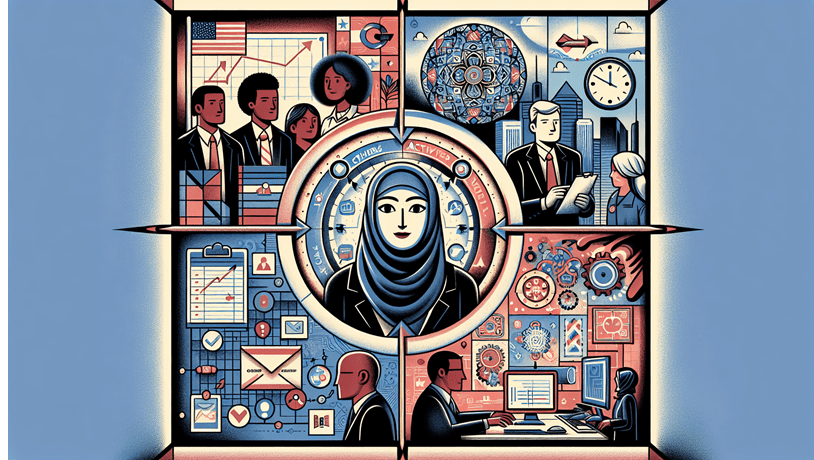
Research has categorised our interactions into four main areas: others, activities, time, and environment. As a project manager, you may find yourself grappling with one or more of these areas at different stages of your career. Perhaps you’re facing challenges in stakeholder relationships, managing tasks that don’t align with your strengths, feeling the pressure of tight deadlines, or struggling to connect with the broader organisational environment.
For project managers working in international or cross-cultural settings, these challenges can be even more pronounced. Adapting to this extra project environment means adjusting your approach in all four areas simultaneously, which can be daunting.
In this series, I will explore each category in detail, providing insights into how you can navigate cultural differences to enhance your project management skills. Understanding these components will enable you to perform more effectively in diverse cultural settings.
Cultures and individuals vary significantly in their approach to others, activities, time, and environment. For example, communication styles can differ in terms of directness, formality, and non-verbal cues. Attitudes towards time can be more linear or cyclical, and relationships with our environment can range from control to harmony. Additionally, cultures may lean towards individualism or collectivism.
These are just a few examples of how cultural traits can differ. In the upcoming posts, I will categorise these cultural differences, explaining their implications and how they can lead to misunderstandings if not properly managed. By understanding and integrating these cultural components, project managers can avoid miscommunication and leverage the strengths of diverse teams.
Cultural differences are not binary; they exist on a continuum. As project managers, our ability to adapt and move along this continuum is crucial. This flexibility determines our capacity to integrate and leverage cultural differences effectively.
If you find yourself resonating with any of the challenges described, feel free to reach out. You might be experiencing a form of culture shock that is affecting your professional performance. My expertise lies in helping project managers navigate these situations to achieve their best results.
 coaching-vision.com