Simple Ways to Involve Others in Your Projects

This article was originally published at: https://medium.com/@nadegeminois/simple-ways-to-involve-others-in-your-projects-492a2fe56c11

Running a small business can feel lonely — especially when you’re managing a project.

You might think: “It’s quicker to do it myself.” And sometimes that’s true.

But many projects work better — and feel lighter — when you involve others. Even just a little.

You don’t need a big team. You just need a smart way to bring the right help at the right time.

Here’s how to do it simply and effectively.

1. Ask: What actually needs to be done?

List the core steps of your project. Then ask: “Which parts truly need me — and which could someone else help with?”

This isn’t about dumping work. It’s about using your time wisely — and giving others the chance to contribute.

2. Start small

You don’t need to outsource the whole project.

Try delegating just one task — a graphic, a piece of writing, a round of testing. It builds trust and momentum.

3. Be clear and kind

When involving others, clarity is everything:

  • What’s the task?
  • When is it due?
  • What does success look like?

Add a little appreciation — “Thanks so much, this is a big help” — and you’ll set the tone for great collaboration.

4. Share progress visibly

Whether it’s a shared doc, a Trello board, or a group message, make sure everyone can see what’s happening.

It avoids confusion, keeps energy up, and builds shared ownership.

5. Stay in the loop — without micro-managing

Check in regularly, not constantly.

A weekly update or short message is usually enough to keep things moving and show you care.

Involving others isn’t about losing control — it’s about extending your reach.

And when you invite people into your project — even in small ways — you create more space, more progress, and more connection.

Why Most Small Businesses Overcomplicate Project Management (And How to Stop)

This article was originally published at: https://medium.com/@nadegeminois/why-most-small-businesses-overcomplicate-project-management-and-how-to-stop-53d8cb6f4cf5

If you’re a small business owner, chances are you’ve run into this trap: you try to “do project management properly” and end up with colour-coded spreadsheets, five different software tools, and a weekly planning session that feels more like a boardroom meeting than actual work.

Sound familiar?

The truth is, most small businesses overcomplicate project management because they’re trying to mimic what big companies do — without needing it. What works in a 200-person department often falls apart in a team of two. Or one.

Here’s the thing: project management, at its core, is simply about getting things done in a focused, structured way. That’s it. It’s not about jargon or templates or expensive software. It’s about clarity. Focus. Momentum.

So why does it get so messy?

Because we believe more tools = more control. Or that the “real” way to run a project involves a Gantt chart, a kick-off meeting, and maybe even a project charter.

But in a small business, you need just enough structure to move forward — not so much that you’re managing the process more than the project.

So how do you simplify?

  1. Start with the outcome. What are you trying to achieve? Be clear and specific. “Increase newsletter signups by 200 in 4 weeks” is far better than “grow the mailing list.”
  2. Break it into steps. What’s the first thing you need to do? Then the next? Then the next? That’s your roadmap — no fancy templates needed.
  3. Track the work visibly. A sticky-note wall, a simple Trello board, or even a notebook page will do. Just make sure you can see what’s happening.
  4. Review once a week. What’s done? What’s stuck? What’s next? That’s your check-in. No need for status meetings and reports.
  5. Adjust as you go. If something isn’t working, change it. You’re allowed to do that. In fact, you should.

The magic isn’t in being rigid — it’s in being responsive. That’s what small businesses are brilliant at.

You don’t need to manage your projects like a multinational corporation. You just need to keep them moving in a way that fits how you actually work.

Strip it back. Focus on momentum. Use tools that make things easier, not harder.

That’s how you stop overcomplicating things — and start getting more done with less stress.

Time Management Across Cultures: Strategies for Project Managers

This article was originally published at: https://medium.com/@nadegeminois/time-management-across-cultures-strategies-for-project-managers-93b9714025ec

Navigating cultural differences in time perception can be a complex challenge.

Imagine this scenario: a team member arrives 10 minutes late to a crucial meeting. Fifteen minutes into the discussion, she takes a phone call. Her colleague interrupts twice with pressing questions, and now she needs to step out to address another matter. With only 15 minutes remaining, the core agenda remains untouched, leaving you wondering how to proceed.

How would you react in this situation? Would you find it exasperating or simply part of the norm? Your response might depend significantly on your cultural understanding of time.

There are two primary cultural approaches to time: monochronic and polychronic.

In monochronic cultures, time is viewed as a series of tasks to be completed in a linear sequence. Time is about doing. Meetings are expected to start punctually, adhere strictly to the agenda, and participants are focused on the task at hand. Tardiness is typically met with apologies, as time is seen as finite and linear. Cultures such as North America, Northern Europe, and some parts of Asia exemplify this structured and disciplined view of time. In these cultures, time is a resource to be managed carefully, and any deviation from the schedule can be seen as a disruption.

On the other hand, polychronic cultures, such as those found in South America, the Middle East, and Southern Europe, perceive time more fluidly. Here, time is about what you’re doing at the moment rather than adhering strictly to schedules. Priorities shift based on what is deemed important at the time, and time is a tool for building and nurturing relationships. It’s not about multitasking per se, but rather a flexible approach to switching between tasks. What might be seen as distractions in monochronic cultures are simply part of the natural flow in polychronic settings. In these cultures, the emphasis is on human interaction and the quality of relationships, rather than rigid adherence to timeframes.

So, as a project manager, how do you navigate these cultural differences in time perception? Understanding and respecting these cultural nuances is crucial. It involves being adaptable and finding a balance between maintaining project timelines and accommodating the cultural practices of your team members. By fostering open communication and setting clear expectations, you can bridge the gap between different time perceptions and ensure successful project delivery. Embracing cultural diversity in time management can lead to more harmonious and effective teamwork, ultimately driving project success.

From Detail to Big Picture: Adapting Thinking Styles in Project Management

This article was originally published at: https://medium.com/@nadegeminois/9da920da08ca

Cultural influences can significantly shape our approach to problem-solving. One key aspect is whether we prefer to break down complex tasks into smaller, manageable parts or whether we adopt a systemic view, considering the entire picture. Both methods have their merits and drawbacks.

In Western cultures, there’s a strong emphasis on analytical thinking. From a young age, we’re taught to dissect large problems into smaller tasks. This approach is a cornerstone of many problem-solving techniques, as it makes challenges seem less daunting and more manageable. However, this method can sometimes lead to overlooking the broader impact of individual tasks.

For instance, in a project setting, focusing too narrowly on a single task might cause us to miss how it affects the overall project objectives, potentially leading us off course. Consider a project manager overseeing a software development project. If they focus solely on coding a specific feature without considering its integration with the entire system, they might encounter unforeseen issues that disrupt the project’s flow.

This is akin to introducing a predator to control an invasive species without considering the broader ecological impact, which can lead to unintended consequences.

Conversely, many Asian cultures, among others, tend to adopt a holistic perspective. This approach ensures that the end goal remains in sight, allowing for a comprehensive understanding of the project’s impact. However, it can also make the task seem overwhelming, as it may be challenging to identify where to start or how to prioritise actions.

In the context of project management, this means evaluating all potential actions and their global consequences. While this is beneficial, it can also lead to difficulties in prioritising tasks. For example, a project manager might struggle to decide which stakeholder’s needs to address first when considering the entire project’s ecosystem.

The good news is that cultural tendencies don’t confine us to one way of thinking. We can learn to adapt our approach based on the context. A successful project manager should be adept at both analytical and systemic thinking. Analytical skills are crucial for planning and executing tasks, while systemic thinking ensures that the project aligns with the broader organisational goals.

In summary, project managers should strive to balance these approaches, adapting their thinking to suit the project’s needs. By doing so, they can navigate complex stakeholder dynamics and ensure successful project delivery.

Understanding Formality in Project Management Communication

This article was originally published at: https://medium.com/@nadegeminois/understanding-formality-in-project-management-communication-0fe9a8156d45

In the realm of project management, the way we communicate can significantly impact our relationships with stakeholders and team members. Consider the difference between a casual “Hi mate, what’s up?” and a more formal “Good afternoon Professor Martin, I hope it is okay to ask you a question?” These expressions highlight varying levels of formality, which are often influenced by cultural norms.

Cultural Influences on Formality

The level of formality in communication is largely dictated by cultural context. In English-speaking countries, where “you” is universally used, interactions tend to be more informal. Conversely, in cultures with distinct formal and informal address forms, communication is generally more formal, requiring careful consideration of how we address others.

For instance, in the United States and the UK, it’s common for people to address each other by first names, even if they are not acquainted. However, during my time in Germany and Austria, I noticed a preference for using titles and last names in initial interactions. Similarly, in France, where I grew up, it was customary to use the polite form and last name, especially when addressing someone unfamiliar or of higher status.

Beyond Words: The Many Facets of Formality

Formality extends beyond the words we choose. It encompasses how we convey our messages. Eye contact, physical proximity, and body language all play a role in determining the level of formality. For example, how close you stand to someone or how you sit during a conversation can signal your level of formality.

Even attire can reflect formality. Is it appropriate to wear jeans and a sweater when meeting with your boss? These considerations are crucial in maintaining the right level of formality in professional settings.

The Complexity of Formality in Communication

While formality might seem straightforward, it manifests in various aspects of behaviour and communication. Ensuring the appropriate level of formality, especially when interacting with unfamiliar individuals or those from different cultures, can be challenging.

Failing to match the expected formality level can have serious repercussions. It might result in losing the trust of a stakeholder. As project managers, understanding and adapting to these nuances is essential for successful stakeholder engagement and project delivery.

Adapting to Cultural Dynamics: Enhancing Project Management Success

This post was originally published at: https://medium.com/@nadegeminois/adapting-to-cultural-dynamics-enhancing-project-management-success-9af13c8b6cab

In this new series of posts, I will delve into the cultural differences that project managers often encounter when they work with diverse team members. Based on research into cultural variations, this series will focus on how these differences impact relationships and interactions within project management.

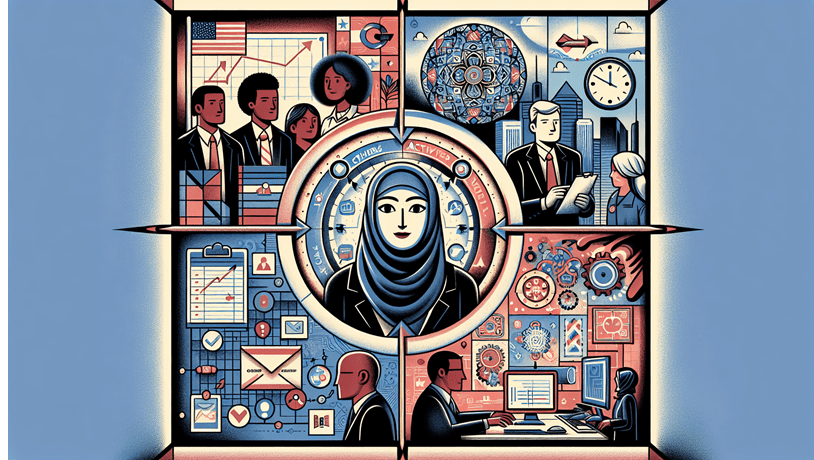
Research has categorised our interactions into four main areas: others, activities, time, and environment. As a project manager, you may find yourself grappling with one or more of these areas at different stages of your career. Perhaps you’re facing challenges in stakeholder relationships, managing tasks that don’t align with your strengths, feeling the pressure of tight deadlines, or struggling to connect with the broader organisational environment.

For project managers working in international or cross-cultural settings, these challenges can be even more pronounced. Adapting to this extra project environment means adjusting your approach in all four areas simultaneously, which can be daunting.

In this series, I will explore each category in detail, providing insights into how you can navigate cultural differences to enhance your project management skills. Understanding these components will enable you to perform more effectively in diverse cultural settings.

Cultures and individuals vary significantly in their approach to others, activities, time, and environment. For example, communication styles can differ in terms of directness, formality, and non-verbal cues. Attitudes towards time can be more linear or cyclical, and relationships with our environment can range from control to harmony. Additionally, cultures may lean towards individualism or collectivism.

These are just a few examples of how cultural traits can differ. In the upcoming posts, I will categorise these cultural differences, explaining their implications and how they can lead to misunderstandings if not properly managed. By understanding and integrating these cultural components, project managers can avoid miscommunication and leverage the strengths of diverse teams.

Cultural differences are not binary; they exist on a continuum. As project managers, our ability to adapt and move along this continuum is crucial. This flexibility determines our capacity to integrate and leverage cultural differences effectively.

If you find yourself resonating with any of the challenges described, feel free to reach out. You might be experiencing a form of culture shock that is affecting your professional performance. My expertise lies in helping project managers navigate these situations to achieve their best results.

Unlocking Project Success: The Power of Technical Agility

This article was originally published at: https://medium.com/@nadegeminois/unlocking-project-success-the-power-of-technical-agility-084e70c0633d

The ability to adapt and leverage technology effectively is a crucial trait that sets successful project managers apart. This trait, known as technical agility, is not about being an IT expert or having deep industry-specific technical knowledge. Instead, it is about the ability to identify, adopt, and utilise the right tools and technologies to enhance project efficiency and effectiveness.

The Essence of Technical Agility

Technical agility is the capacity to navigate the ever-evolving landscape of project management tools and technologies. It involves understanding which tools are best suited for specific tasks and how they can be integrated into the project workflow to streamline processes and improve outcomes. This agility is not limited to traditional project management tools but extends to communication platforms, collaboration software, and even emerging technologies like Artificial Intelligence (AI).

The Role of Organisation in Technical Agility

Organisation is a fundamental aspect of technical agility. A well-organised project manager can effectively manage multiple tasks, deadlines, and stakeholders. However, organisation goes beyond maintaining a tidy workspace or a detailed to-do list. It involves strategically selecting and implementing tools that enhance organisational efficiency.

For instance, project management software like Trello, Asana, or Microsoft Project can help project managers keep track of tasks, deadlines, and team responsibilities. These tools provide a centralised platform for project planning, execution, and monitoring, ensuring that all team members are aligned and informed.

Choosing the Right Tools

One of the key components of technical agility is the ability to choose the right tools for the job. This requires a deep understanding of the project’s needs and the available technological solutions. Project managers must evaluate various tools based on their features, ease of use, integration capabilities, and cost-effectiveness.

For example, communication tools like Slack or Microsoft Teams can facilitate seamless collaboration among team members, regardless of their physical location. These platforms offer real-time messaging, video conferencing, and file sharing, enabling teams to stay connected and productive.

Similarly, data analysis tools like Tableau or Power BI can help project managers make informed decisions by providing insights into project performance and trends. By leveraging these tools, project managers can identify potential issues early and take corrective actions to keep the project on track.

The Impact of Artificial Intelligence

AI is a game-changer in the realm of project management. While technical agility encompasses a broad range of tools, AI deserves special mention due to its transformative potential. AI-powered tools can automate routine tasks, analyse large datasets, and provide predictive insights, freeing up project managers to focus on strategic decision-making.

For instance, AI can automate scheduling by analysing team members’ availability and workload, ensuring optimal resource allocation. It can also predict project risks by analysing historical data and identifying patterns that may indicate potential issues. By incorporating AI into their toolkit, project managers can enhance their technical agility and drive project success.

Developing Technical Agility

Developing technical agility requires a proactive approach to learning and adaptation. Project managers must stay abreast of the latest technological advancements and continuously evaluate their toolset to ensure it aligns with project goals. This involves attending industry conferences, participating in webinars, and engaging with professional networks to gain insights into emerging trends and best practices.

Moreover, project managers should foster a culture of innovation within their teams, encouraging team members to experiment with new tools and technologies. By creating an environment that values continuous improvement and learning, project managers can enhance their technical agility and drive project success.

Conclusion

Technical agility is a vital trait for project managers. It empowers them to navigate the complexities of modern project management, leveraging the right tools and technologies to enhance efficiency and effectiveness. By embracing technical agility, project managers can unlock new opportunities for innovation and drive project success in an ever-evolving landscape.

In summary, technical agility is not about being a tech guru but about being a strategic thinker who can harness the power of technology to achieve project goals. It is about being organised, choosing the right tools, and embracing the potential of AI to transform project management. By developing technical agility, project managers can position themselves as leaders in their field, ready to tackle the challenges of tomorrow with confidence and competence.

The Power of Organisation in Project Management

This article was originally published at: https://medium.com/@nadegeminois/the-power-of-organisation-in-project-management-b678b4f7a189

Organisation is not just a skill—it’s a necessity in project management. With countless tasks to juggle and deadlines to meet, the ability to maintain order amidst chaos is what sets successful project managers apart. Organisation is the backbone of efficiency, and its impact reverberates throughout the entire project lifecycle.

The Foundation of Organisation

At the heart of every successful project lies a well-structured plan. Organisation begins with a clear understanding of the project’s objectives, scope, and deliverables. This foundational knowledge allows project managers to break down the project into manageable tasks, each with its own timeline and resources. By creating a detailed project plan, managers can ensure that every team member knows their role and responsibilities, reducing confusion and increasing accountability.

Tools and Techniques for Effective Organisation

Gone are the days of relying on long to-do lists scribbled on loose pieces of paper. In today’s digital age, project managers have access to a plethora of tools and techniques designed to enhance organisation. Project management software, such as Trello, Asana, or Microsoft Project, provides a centralised platform for tracking tasks, deadlines, and progress. These tools offer visual representations of the project timeline, making it easier to identify potential bottlenecks and adjust plans accordingly.

Additionally, techniques such as the Kanban method or the Agile framework can be employed to streamline workflows and improve team collaboration. By adopting these methodologies, project managers can create a dynamic environment where tasks are prioritised, and resources are allocated efficiently.

The Ripple Effect of Organisation

Organisation is not a solitary endeavour; it has a ripple effect that influences the entire project team. When a project manager is organised, it sets a precedent for the rest of the team. Clear communication of tasks and expectations fosters a sense of purpose and direction among team members. They know what needs to be done, when it needs to be done, and how their contributions fit into the larger picture.

Moreover, an organised project manager is better equipped to handle unexpected changes. In the ever-evolving landscape of project management, adaptability is key. When plans need to be adjusted, an organised manager can quickly assess the situation, reallocate resources, and communicate changes effectively. This agility ensures that the project remains on track, even in the face of unforeseen challenges.

Organisation and Stakeholder Engagement

Effective organisation extends beyond the project team to include stakeholders. Stakeholders are integral to the success of any project, and keeping them informed and engaged is crucial. An organised project manager maintains regular communication with stakeholders, providing updates on progress, addressing concerns, and managing expectations. This proactive approach builds trust and confidence, ensuring that stakeholders remain supportive and invested in the project’s success.

The Role of Organisation in Risk Management

Risk management is an inherent part of project management, and organisation plays a pivotal role in mitigating risks. By maintaining a comprehensive risk register, project managers can identify potential risks early on and develop contingency plans. Organised documentation of risks, along with their likelihood and impact, allows managers to prioritise and address them systematically. This proactive approach minimises the chances of risks escalating into major issues, safeguarding the project’s success.

Organisation as a Catalyst for Innovation

While organisation is often associated with structure and order, it also serves as a catalyst for innovation. An organised project environment provides the stability and clarity needed for creative thinking to flourish. When team members are not bogged down by confusion or uncertainty, they have the mental space to explore new ideas and solutions. This culture of innovation can lead to breakthroughs that enhance the project’s outcomes and deliver added value to stakeholders.

Conclusion: Embracing Organisation for Project Success

Organisation is the linchpin that holds the various components of a project together. It is the driving force behind efficiency, adaptability, and innovation. By embracing organisation, project managers can create a structured yet flexible environment that empowers their teams to excel. The benefits of organisation extend beyond the project itself, fostering a culture of collaboration, trust, and continuous improvement.

As project managers, the responsibility to maintain organisation rests on our shoulders. It requires discipline, foresight, and a commitment to excellence. But the rewards are well worth the effort. An organised project is a successful project, and a successful project is a testament to the power of organisation. So, let’s embrace organisation as our guiding principle and pave the way for project success.

5 traits that make great project managers. Do you have them?

Photo by Natalia Ventskovskaya on Unsplash

This article was originally published at: https://medium.com/@nadegeminois/5-traits-that-make-great-project-managers-do-you-have-them-3097dc41bb37

If you are reading this piece, you are likely a project manager. And you are not alone.

There are many project managers around the world and the demand for project managers is still increasing.

But not all project managers are equal. Here is my take on what is needed to be a great project manager.

The negative side is that you may not have these competencies yet,especially if you are early in your career. The positive side is that all the points I will talk about can be learned.

There is always room for improvement!

In this article, I will give an overview of 5 traits essential to be successful as a project manager. I will then detail each of these traits in subsequent articles.

An adaptable communication

There is probably a word that sums up quite well the project environment: diversity. Of course, diversity of tasks and activities, and also diversity of people.

When you think of all the various stakeholder groups you need to manage in every project, it can be overwhelming. They go from your team members to end users, regulatory bodies and audit committees for instance. You will interact daily with some, a lot more sparingly with others. They need different information, conveyed in different ways.

So, when you can adapt your communication – both the content and the way you deliver this content – to your varied audiences, you convey more meaningful and impactful messages. People are clear about the project and their role in it. They will also be more engaged and ready to contribute.

A flexible leadership

You will have all read that now, it is not enough to be a manager; you need to be a leader. And I agree with that. People have very different expectations about how they ought to be treated and valued at work. The time has finally come when it is recognised that people must be respected and valued.

Just telling people what to do, when and how, will not cut it. Remember that you and your team members deliver the project. Without them, there is no project, nothing will be done. In short, people are the most important aspect of a project.

We all have a preferred leadership style. However, great project managers can use all the different leadership styles as and when necessary. The style needed will depend on the persons involved, their level of knowledge and experience, and the task at hand.

Big picture and details

The role of project manager has also evolved on that point, not just on leadership. Strategic thinking is high on the agenda these days. It means that now, any project manager worth its salt needs to keep an eye both on the big picture and on the details.

You need to think strategically, keep a focus on strategic alignment, business goals alignment, benefits and value the project will bring. But if you do only this part, you can lose track of the tasks to be done and end up with the project going nowhere.

On the other side, attention to details and ensuring the daily work is done is still a big part of any project manager’s role. However, if you concentrate only on this part, you end up just micromanaging the project and your team members will resent you for that.

Organisation

There is a lot to do in a project! So many things to juggle in parallel.

As the project manager, you need to keep track of what is happening in your projects and what needs to be done.

Long to-do-lists on loose pieces of paper will not do it. Or thinking that you’ve got it all organised in your head.

Organisation is paramount for efficiency in a project. Organisation will breed organisation. If you are organised and that your project tasks are well organised, your project team will be more organised too because your team members will be clear on what to do.

It will also streamline planning and make the project more adaptable when things need to be shifted around, as it happens often in projects.

Technical agility

That takes us to the last trait I want to cover. Here, technical agility doesn’t refer to your knowledge in the industry oft he project. You don’t need to bean IT expert to manage IT projects for instance.

What I refer to here is the ability to use the right tools that will make the project more efficient.

We covered organisation in the previous section. Being able to use the tools that will allow you to organise the project will be paramount.

It is also being able to decide which tools to use for the project: project management tools, communication tools and so on.

And this is not including Artificial Intelligence (AI), a whole area on its own.

So, now you have read this piece, which ones of these skills do you have already? Which ones need some improvement?

Why You Should Hire a Scientist for Hybrid Project Management

Article originally published at https://medium.com/@nadegeminois/why-you-should-hire-a-scientist-for-hybrid-project-management-dc809e97df81

When I switched from research in Biology to project management, I realised that, without knowing it, I had loads of experience in hybrid project management. Doing research is actually not very different from doing another type of project. Although you don’t call them the same, a scientist running and managing research projects uses a lot of techniques used in “formal” project management. A scientist can also bring highly valuable transferable skills as a project manager.

So, let me convince you that next time you hire a project manager, don’t sniff at the application from someone with a scientific background.

First, what’s the fuss with hybrid project management?

The ability to adapt project management methods becomes ever more crucial. Many companies now use hybrid project management, blending traditional and agile approaches to create a method tailored to each project’s unique demands. In short, it is a methodology spreading more in companies because of its adaptability to each organisation’s needs and culture.

While project managers with experience in different methodologies are valuable, a scientist as a project manager can be a game-changer. Scientists bring a unique blend of analytical skills, problem-solving abilities, and a rigorous approach to data that can significantly enhance the effectiveness of hybrid project management. Here’s why hiring a scientist can help make your hybrid project management approach more innovative, accurate, and resilient.

But before looking at these skills, let’s analyse the life cycle of a research project. I focus here on projects in “hard” sciences as they are sometimes called, because this is what I know best.

How a research project evolves

As any project, a research project begins with a question, an idea, a need. Then, as any project, you need money to carry the project out. And when you add salaries, costs of fancy equipment, consumables and everything else, it can come to a hefty amount of money!

And at this stage, it is all predictive project management. Because this is what you need to do when you apply for money to a funding body. You need to have everything planned for the whole length of the project: everything you will need, what you will do, when, who will do it (at least position and experience level if not specific names). And of course, you need to explain the expected results.

But it isn’t just about scope, resource and schedule. It is also about risks, benefits, impact as they sometimes like to call it and how the project fits in the overall field. In short, you also need to have the equivalent of the whole business documents you would prepare at the start of a project, even before formally initiating a project.

And let’s not forget communication! When you prepare a grant proposal, you need to detail the meetings you will have with your collaborators, the conferences you plan to present your results to, the articles you plan to write and outreach events to talk about your research and its importance to general audiences.

But from then on, once you have the money, it becomes all agile!

The cost is fixed: you cannot get more money for the same project. The time is fixed: your grant may be for a year, 3 years, 5 years or however long. This is the amount of time during which you will receive the money you got. The quality is fixed, because you want to publish your results in the best journals, to get more recognition and money for future projects.

So, in a very agile way, what will differ from your original plan is what you deliver. You will have of course your Minimum Viable Product, the least your project needs to deliver to be of the quality and scope required. However, exactly, how you deliver it, when, will vary. There are also peculiarities of science that makes any project uncertain and thus more agile. Techniques evolve quickly and a new, better technique, to measure what you wanted to measure has been developed. It is like taking an new opportunity in any project. Then, more specific to science, is that you cannot always predict the results of your experiments. So, it may happen that your project ends up in a different direction. This would be like finding a different way of providing greater value with your project.

For instance, this latter aspect happened to me both in my Masters and my PhD. I did not get the results we first expected from our hypothesis. This led me onto a new path, a new avenue of research, which at the end led to results that had greater value to the field.

I hope you can see in this description how scientists master both the more rigid structure of the predictive approach and the flexibility of agile methodologies.

Now, let’s look at individual characteristics that scientists get from their education and training. I will look here at 6 characteristics particularly suited for switching to project management. (A disclaimer here: the remainder of the article have been first drafted with the help of AI, unlike what appeared before).

1. Scientists Thrive in Complex Environments

One of the most notable strengths scientists bring is their ability to navigate and make sense of complexity. In research, scientists often tackle intricate, multifaceted problems that require a high tolerance for uncertainty. Hybrid project management similarly deals with diverse, evolving requirements, needing adaptive thinking and creative problem-solving. For example, managing a project with both agile and waterfall components may require complex coordination between teams operating under different principles. A scientist, accustomed to handling complexity, can bring methods and insights that facilitate clear decision-making amidst these dynamics.

2. Strong Analytical and Data-Driven Approach

Scientists are trained to rely on evidence, systematically testing hypotheses and analysing results. This approach translates well to hybrid project management, where balancing traditional metrics with agile flexibility can be challenging. By hiring a scientist, you bring on board someone skilled at data collection, analysis, and interpretation. Scientists are equipped to establish meaningful performance metrics, assess risks, and provide insights on progress. Their capacity for data-driven evaluation can make hybrid projects more transparent and better structured, as they can quickly identify trends, inefficiencies, or potential issues based on data analysis.

3. Effective Problem Solvers

Problem-solving is at the core of scientific work. Scientists are accustomed to dealing with challenges that don’t have obvious solutions and are skilled at developing innovative approaches to overcome them. In hybrid project management, unexpected problems are often a reality. A scientist’s problem-solving approach is methodical, systematic, and creative, which can be instrumental in developing solutions that bridge the gap between agile and traditional project requirements. For example, if a project encounters resource bottlenecks, a scientist can break down the problem, test potential solutions, and recommend an evidence-based approach that minimises disruption and optimises workflow.

4. Familiarity with Technological Tools and Research Methods

Today’s scientists work with a wide range of technological tools, including data analysis software, project modelling, and simulation tools. This technological know-how is invaluable in hybrid project management, where tools are often needed to manage various project stages, track progress, and analyse performance. Furthermore, scientists are familiar with rigorous research methods, allowing them to evaluate new project management tools, techniques, or practices objectively. They can introduce tools that add value to the project, helping teams improve efficiency and effectiveness.

5. Unique Perspective and Fresh Ideas

Because scientists come from a background of discovery and innovation, they can offer perspectives that are often different from those of traditional project managers. Their diverse knowledge base can inspire creative solutions, enabling the project team to view challenges from new angles. Scientists are also used to working in cross-disciplinary environments, where collaboration and open communication are essential. This background allows them to bridge gaps between traditional and agile teams, fostering an environment where innovation and structure coexist harmoniously.

6. Emphasis on Continuous Learning and Adaptation

Scientists are trained to be lifelong learners, continually seeking new information and adapting to advancements in their fields. This mindset aligns well with the iterative nature of hybrid project management, where adaptability and continuous improvement are crucial. By hiring a scientist, you bring in someone who is not only open to learning new project management techniques but also eager to apply insights from ongoing research. This emphasis on learning allows your team to stay updated with best practices and makes your project management approach more adaptable and resilient over time.

Conclusion

Hybrid project management is a versatile approach, but it requires a unique skill set that combines traditional planning with agile responsiveness. A scientist can complement the project team with their analytical mindset, problem-solving skills, and adaptability. They bring a fresh perspective, are highly data-driven, and have an innate ability to manage complex, evolving situations. In a landscape where projects demand agility, precision, and creativity, hiring a scientist can give your organisation a competitive edge. By leveraging their skills, you can make your hybrid project management approach more effective, innovative, and prepared for the challenges of the modern business environment.